People with Clostridium difficile infections typically recover within two weeks of starting antibiotic treatment. However, many people become reinfected and need additional therapy. Most recurrences happen one to three weeks after stopping antibiotic therapy, although some occur as long as two or three months later.
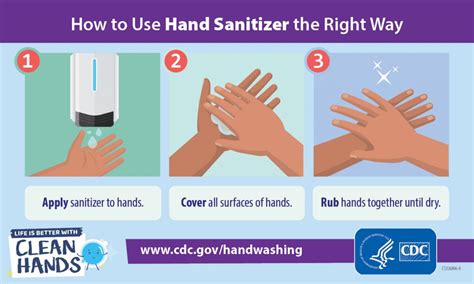
The alcohol in hand sanitizer works best when you rub hand sanitizer all over your hands, making sure to get between your fingers and on the back of your hands. Do not wipe or rinse off the hand sanitizer before it is dry.
Once the diarrhoea has settled for a minimum period of 48 hours, you will no longer be considered infectious.
There is a slight chance of spreading C. difficile to your spouse. Wash your hands well before and after contact with each other.
These antibiotics keep C. difficile from growing, which in turn treats diarrhea and other complications. Your doctor may prescribe vancomycin (Vancocin HCL, Firvanq) or fidaxomicin (Dificid). Metronidazole (Flagyl) may be rarely used if vancomycin or fidaxomicin aren't available.
The overall burden of C. difficile colitis is, therefore, huge. Patients with CDAD are at risk of not only treatment failure and/or early recurrence [1, 2], but, as we show here, also long-term, debilitating, recurrent disease and death.
For asymptomatic carriers or patients with antibiotic-associated diarrhea, antibiotics to target C. diff aren't needed. “This will usually resolve on its own,” Dr. Wenzel pointed out.
You should not return to work or school until you have been free from diarrhoea for 48 hours. You should tell your employer you have had Clostridium difficile infection if you work with vulnerable groups such as the elderly, the young, those in poor health, or handle food.
C. diff spores can live outside the human body for a very long time and are found frequently in hospitals, nursing homes and on items such as toilet seats, linens, telephones, floors, bed rails, bathroom fixtures, and medical equipment.
The majority of C. difficile infections occur in people who are or who have recently been in a health care setting — including hospitals, nursing homes and long-term care facilities — where germs spread easily, antibiotic use is common and people are especially vulnerable to infection.
Because alcohol does not kill C. diff spores, use of soap and water is more effective than alcohol-based hand rubs. However, early experimental data suggest that, even using soap and water, the removal of C. diff spores is more challenging than the removal or inactivation of other common pathogens.
No, regular Clorox wipes do not contain bleach and do not kill C Diff spores. These are part of a line from Clorox that is their Healthcare Germicidal brand.
If you have Clostridioides difficile (C. diff) infection (CDI), it can result in diarrhea that has an unusual odor that some might describe as sickeningly sweet.
difficile has gone? When your normal bowel habit returns, it is considered the infection has gone. There is no need for a follow-up test.
These spores can be spread to others on the hands of health care providers or on contaminated environmental surfaces or equipment. C. difficile is usually not spread through casual contact such as touching or hugging. C.
Half of the consultants and one-third of the trainees and nurses were aware that 5% of adults carry C. difficile in the gut. Overall, 80% of doctors and 40% of nursing staff (P = 0.001) were aware of the spectrum of illnesses caused by C.
Lysol All Purpose Cleaner with Bleach is EPA approved to kill C. diff on hard, non-porous surfaces when used as directed.
C. difficile spores can be shed to the environment by both asymptomatic and symptomatic patients and may survive for up to 5 months on inanimate surfaces (17). They resist the bactericidal effects of most hospital disinfectants and most other decontamination techniques (18).
If you are using a bleach solution, ensure it remains wet on the surface for ten minutes to allow for proper disinfection. A 5,000ppm bleach solution is a sporicidal disinfectant and will kill C. difficile spores (concentration of 1:10 or 0.5%).
A recent paper authored by British researchers, published in Clinical Infectious Diseases, demonstrates that the spores may also be spread through the air. Routine infection control practice for C. difficile includes handwashing, donning of protective gowns and gloves, and disinfecting surfaces.
In most hospitals I see typical 'high disinfection level' wipes on the disinfectant carts - such as Oxivir TB, Caviwipes, Virox, Clorox Hydrogen Peroxide. These work on most micro-organisms, but do not work on C. difficile.
Semi-solid foods – Starchy soft foods, such as saltine crackers, toast, eggs or rice, can be gradually added to the diet as diarrhea symptoms pass.
Since the C diff spores are so environmental hardy, cleaning and disinfecting is particularly challenging. Bleach products are required to combat the spread of the spores on surfaces and fomites while soap and water is required for hand hygiene instead of alcohol-based hand sanitizer.