Viruses need to be grown in cells
"They actually have to be grown in a cell, they can't be cultured like a bacteria or a fungi and that's why hens eggs are used. "Within the hen's egg, the virus grows." The virus is then isolated, subject to chemical break down processes, purified and tested.Proteins from chicken eggs help viruses to grow before they go into the vaccine. Influenza viruses used in vaccines are usually grown inside fertilized chicken eggs, where the virus makes copies of itself.
Egg-containing vaccines present potential risks to children who have an egg allergy. Such vaccines include influenza, measles-mumps-rubella (MMR), rabies, and yellow fever vaccines.
Thimerosal is a compound that contains mercury. Because it prevents the growth of dangerous microbes, thimerosal is used as a preservative in multi-dose vials of flu vaccines, and in two other childhood vaccines, it is used in the manufacturing process.
How is FLUCELVAX® made? The vaccine is made by introducing the influenza virus into cell cultures instead of fertilized chicken eggs. This means the vaccine is entirely egg-free, perfect for anyone with an egg-allergy.
The measles, mumps, and rubella (MMR) vaccine is not contraindicated in patients with egg allergy. This is discussed in detail separately. (See "Allergic reactions to vaccines", section on 'Measles, mumps, and rubella' and "Egg allergy: Management", section on 'Avoidance'.)
Egg-Based Flu Vaccines
These CVVs are then injected into fertilized hen's eggs and incubated for several days to allow the viruses to replicate. The fluid containing virus is harvested from the eggs.Fluarix should be used during pregnancy only when clearly needed, and the possible advantages outweigh the potential risks for the foetus. The NHMRC states that influenza vaccine is safe for pregnant women.
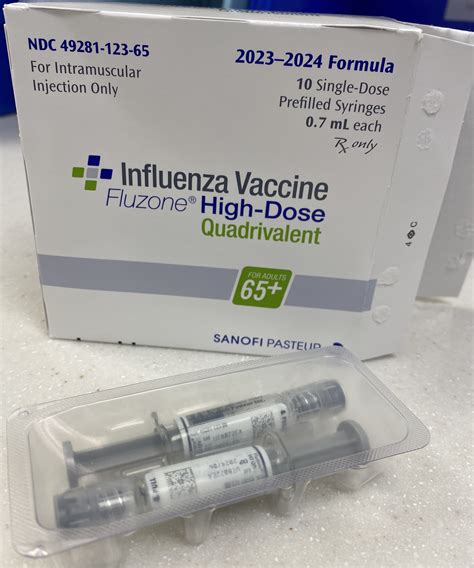
Fluzone High-Dose is an injected flu vaccine formulated for people age 65 years and older. The high-dose vaccine, however, contains four times as much flu virus antigen — the part of the vaccine that stimulates the immune system — as regular Fluzone and other standard flu vaccines.
Flu season runs from October to May, with most cases happening from late December to early March. Getting vaccinated before the flu season is in full force (ideally by the end of October) gives the body a chance to make antibodies that protect from the virus.
ACIP has not stated a preference for Fluad (or Fluzone HD or Flublok, Sanofi Pasteur) over standard dose IIV for people age 65 years and older. A study published in 2014 found that the injectable vaccine Fluzone High-Dose protects people 65 years and older better than standard-dose Fluzone.
If you're a senior and considering getting a flu shot this season, chances are your doctor will recommend a flu shot designed specifically for people ages 65 and older. One type of flu vaccine for older adults is called Fluzone. This is a high-dose trivalent vaccine.
Trivalent Flu Vaccines
| Brand | Age range | How it's delivered |
|---|
| Fluad | 65 years or older | intramuscular |
| Fluzone High-Dose | 65 years or older | intramuscular |
All recombinant vaccine will be quadrivalent. (No trivalent recombinant vaccine will be available this season.) Cell-grown flu vaccine will be quadrivalent. For this vaccine, the influenza A(H3N2) and both influenza B reference viruses will be cell-derived, and the influenza A(H1N1) will be egg-derived.
The single-dose, pre-filled syringe (0.25 mL and 0.5 mL) and the single-dose vial (0.5 mL) are manufactured and formulated without thimerosal or any other preservative. The 5 mL multi-dose vial presentation contains thimerosal, a mercury derivative, added as a preservative.
For the 2018 to 2019 flu season, we have three brands of trivalent vaccines (Afluria, Fluad, Fluzone High-Dose) and seven brands of quadrivalent vaccines (Flulaval, Fluzone, Fluarix, FluMist, Flucelvax, Afluria Quadrivalent, and Flublok).
Flublok Quadrivalent vaccine is given to people 18 years of age and older. Fluzone Quadrivalent vaccine is given to people 6 months of age and older. Fluzone High-Dose vaccine is given to people 65 years of age and older.
The main animals used for testing vaccines destined for human use are laboratory mice and ferrets and, to a lesser extent, macaques. We will focus particularly on these species.
Most flu vaccines use pork-based gelatin as a stabilizer.
Does the nasal vaccine contain pork? Yes, the nasal spray contains a highly processed form of gelatine (porcine gelatine), which is used in a range of essential medicines. The gelatine helps to keep the vaccine viruses stable so the vaccine provides the best protection against flu.
Gelatin content of vaccines licensed in the United States, 2019
- Live, attenuated influenza (Flumist®) Quantity per dose: 2 mg.
- Measles, mumps, rubella (MMR II®) Quantity per dose: 14.5 mg.
- Measles, mumps, rubella, varicella (ProQuad®)
- Rabies (Rabavert®)
- Typhoid oral (Vivotif®)
- Varicella (Varivax®)
- Yellow fever (YF-Vax®)
If you've had a severe allergic reaction to the flu vaccine
And their anaphylaxis was most often triggered by an allergy to one of the other vaccine components, not to the egg. “The bottom line is, there is no reason for someone with a suspected egg allergy to not get the flu vaccine,” says Dr.Recombinant vaccine (Flublok Quadrivalent) and cell-based vaccine (Flucelvax Quadrivalent) are the only vaccines currently available that are completely egg free. Can egg protein in flu vaccine cause allergic reactions in persons with a history of egg allergy?
This includes young children, pregnant women, older adults, and people with chronic health conditions like heart disease, diabetes, and asthma. Getting vaccinated against the flu can't give you the flu. Vaccines given by a shot are made with flu viruses that have been killed or made unable to replicate in humans.
Egg allergy symptoms can include:
- Skin inflammation or hives — the most common egg allergy reaction.
- Nasal congestion, runny nose and sneezing (allergic rhinitis)
- Digestive symptoms, such as cramps, nausea and vomiting.
- Asthma signs and symptoms such as coughing, wheezing, chest tightness or shortness of breath.
People who have a severe allergy to the flu vaccine or one of its ingredients should not get any type of flu vaccine, according to the CDC. That said, severe allergic reactions to vaccines are not as common as say, allergic reactions to tree nuts or shellfish.
Allergies and the Flu Shot. There are things you should know about the flu shot if you also suffer from allergies. Flu season has the capacity to make a person very sick, but by getting a flu shot you can help to keep yourself healthy. There are, of course, people who should not be getting the shot.
The most common side effect of the flu shot is a reaction at the injection site, which is typically on the upper arm. After the shot is given, you may have soreness, redness, warmth, and in some cases, slight swelling. These effects usually last less than two days.
Most flu vaccines administered today are manufactured using chicken eggs and contain trace amounts of a protein called ovalbumin. But a paper published Tuesday in the Annals of Allergy, Asthma and Immunology found the flu shot to be safe and recommended its use for people who are allergic to eggs.
The most common side effects from flu shots are soreness, redness, tenderness or swelling where the shot was given. Low-grade fever, headache and muscle aches also may occur. If these reactions occur, they usually begin soon after the shot and last 1-2 days.