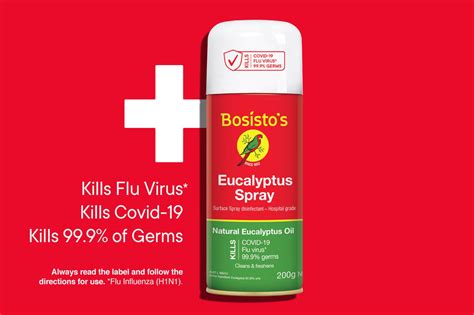
Research suggests that the oil fights respiratory infections by killing bacteria, viruses, and fungi. This is why you can find it in saline nasal wash. It also causes the tiny hair-like filaments in your lungs (called cilia) that sweep out mucus and debris from your airways to move faster.
Australian tea tree oil exhibited high levels of virucidal activity against HSV-1 and HSV-2 in viral suspension tests. At noncytotoxic concentrations of TTO plaque formation was reduced by 98.2% and 93.0% for HSV-1 and HSV-2, respectively.
Benefits
| Oil | Benefits |
|---|
| eucalyptus | reduces fevers and fights viruses |
| tea tree oil | inhibits bacteria and fights infections |
| chamomile | relieves cold and flu symptoms |
| clove (eugenol) | has antiviral and antifungal properties to clean surfaces or air |
Oregano. Oregano is a popular herb in the mint family that's known for its impressive medicinal qualities. Its plant compounds, which include carvacrol, offer antiviral properties.
Some of the compounds in eucalyptus oil provide potential health benefits that include promoting relaxation and clearing nasal congestion. Shower steam helps activate and release eucalyptus oil compounds into the air, allowing you to breathe them in. You can use either fresh or dried leaves for this purpose.
It has also been demonstrated to have antibacterial activity (83). Lemongrass oil has also been shown to possess antifungal activity against yeasts (42), molds, and dermatophytes (43), as well as antiviral activity against HSV-1 (47).
Eucalyptus essential oil has antioxidant, anti-inflammatory, and pain-relieving properties that may help bring down a fever. It may also help fight viral, bacterial, and fungal infections in your body. Lab tests found that eucalyptus oil was able to get rid of several germs that cause illness in people.
Thyme essential oil (Thymus vulgaris) is already known to be effective against fungi infecting humans. Its antifungal activity is due to its high concentration of thymol and carvacrol [20].
According to a 2010 review, eucalyptus oil has antiviral and antimicrobial properties. These properties have historically been used to treat the common cold. Inhaled or oral eucalyptus oil and its main component, 1,8-cineole, may safely fight viruses and respiratory problems such as bronchitis.
Eucalyptus oil can be inhaled through your nose and may provide some cold symptom relief. It's also found in many topical decongestants. However, because even small doses of the oil can be toxic, you should avoid consuming it ( 9 ).
Taking only 3.5 mL (less than one teaspoon) of the pure oil can be fatal. Eucalyptus oil can cause nausea, vomiting, and diarrhea. Eucalyptus poisoning can cause stomach pain, dizziness, muscle weakness, feelings of suffocation, drowsiness, seizures, and coma.
Essential Oils for Respiratory Health
- Eucalyptus essential oil. Many people use this oil without realizing it.
- Rosemary essential oil. Rosemary is a common garden herb.
- Peppermint essential oil.
- Frankincense essential oil.
- Oregano essential oil.
- Thyme essential oil.
- Geranium essential oil.
- Cinnamon essential oil.
Essential oils for cough
- Eucalyptus essential oil.
- Cinnamon essential oil.
- Rosemary essential oil.
- Nutmeg essential oil.
- Bergamot essential oil.
- Cypress essential oil.
- Thyme essential oil.
- Geranium essential oil.
The combination of peppermint oil, eucalyptus oil and ethanol increased cognitive performance and had a muscle-relaxing and mentally relaxing effect, but had little influence on pain sensitivity.